
Share your challenge set
Turn your best writing idea into a WeWillWrite challenge set. If it’s featured on our Discover page, it’s credited with your name, ready for teachers across the country to play with their students.

This month's theme
Poetry & Social Studies
Give every student a voice.
We're looking for challenge sets in two areas this month. Poetry: haiku, list poems, rhymes, free verse and more. Short poems are a perfect fit for a timed writing round. Social studies: U.S. and world history, civics, geography and cultures.
Make it feel like WeWillWrite
Start with these five essentials. Then create your set in My sets and send us its share link.
-
Make them want to write
Would a student who can't sit still want to try it? Go for something relatable, surprising, or a little silly. Invite ideas, not just recall.
-
Make the image matter
In fiction, let the image spark ideas. In nonfiction, it can help explain the situation. The image and words should work together.
-
Keep it short and clear
One short context line. One clear writing task or question. Use plain, grade-appropriate language and give students enough context to get started.
-
Pick one focus
Choose the quality students should aim for, like Suspenseful, Convincing, or Touching. Make sure it matches the task.
-
Help them get started
Add four short tips. Ideally three concrete questions, and the last one can be a sentence starter. Keep each tip under about 10 words.
Show me poetry examples
Six ideas for poetry challenges to use as inspiration for your own.

Capture one moment
VividContext: A haiku has three lines: 5, 7 and 5 syllables.
Prompt: Write a haiku about the first snow of the year.
Tips
- What is one small thing you notice?
- What sound does the snow make, or not make?
- Clap out the syllables to count them.
- "Soft white flakes falling ..."
Give it a voice
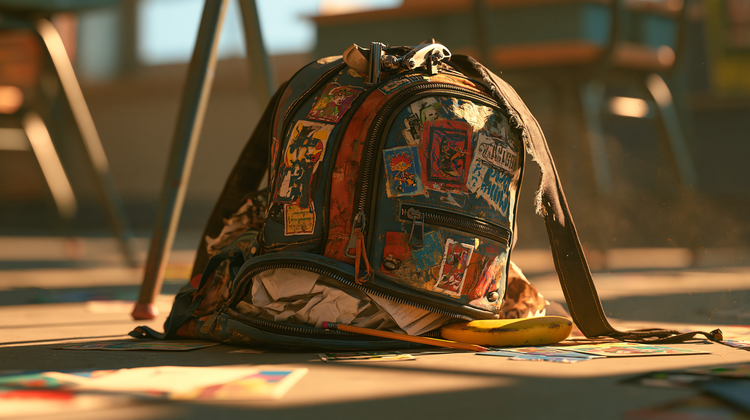
ImaginativeContext: This backpack has been to school every day for years.
Prompt: Write a poem in the backpack's voice.
Tips
- What strange things has it carried?
- What does it complain about?
- What does it secretly love?
- "I am the backpack, and I ..."
Make a list poem
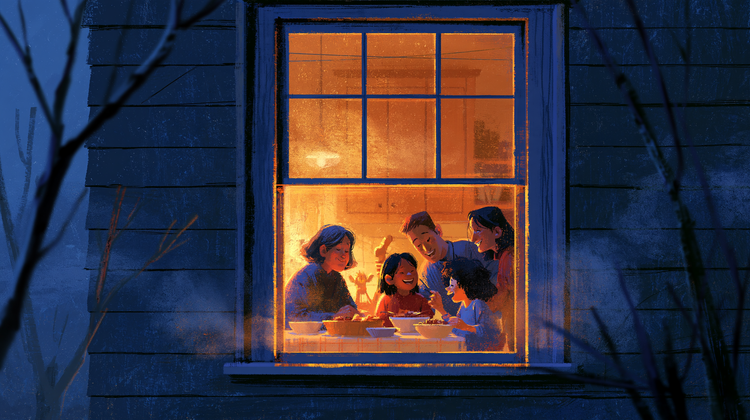
TouchingContext: Home can be a place, a smell or a person.
Prompt: Write a list poem about what home means to you.
Tips
- Start every line with "Home is ..."
- What do you smell, hear and taste there?
- Which line should come last, and why?
- "Home is the smell of ..."
Play with rhyme
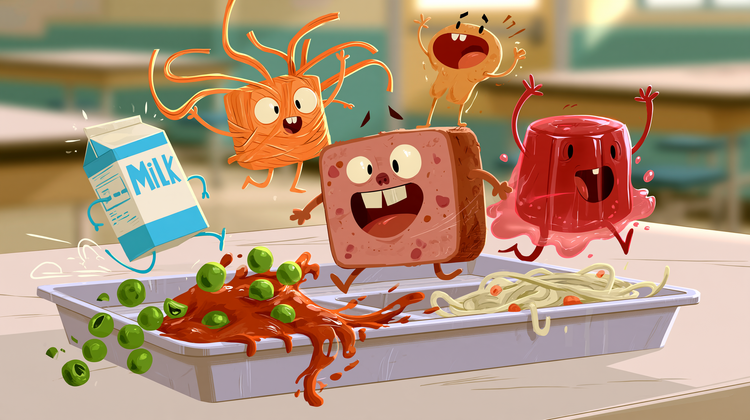
FunnyContext: The cafeteria food just came alive!
Prompt: Write a funny rhyming poem about what happens next.
Tips
- Which food is the leader of the gang?
- Find rhyme pairs first: tray/away, bean/scene.
- Can the last line be a surprise?
- "The meatloaf woke up with a grin ..."

Speak from history
TouchingContext: New York, 1907. You see the Statue of Liberty for the first time.
Prompt: Write a poem about what you feel as your ship arrives.
Tips
- What did you leave behind?
- What do you see, hear and smell on deck?
- What are you hoping for, or afraid of?
- "Green lady in the morning fog ..."
Where I'm from
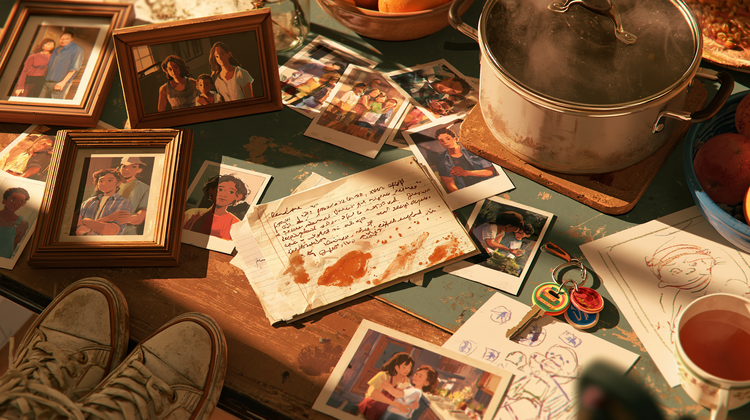
VividContext: Every family has its own foods, sayings and stories.
Prompt: Write a poem where every line starts with "I am from ..."
Tips
- What food is always at your family table?
- What do the grown-ups always say?
- Which place or object holds a memory?
- "I am from Sunday pancakes and ..."
Show me social studies examples
Six real challenges from WeWillWrite, from history and civics to geography, economics and cultures. Use them as inspiration for your own.

Step into a moment
VividContext: Amelia Earhart was the first woman to fly solo across the Atlantic.
Prompt: Imagine you're her, right before takeoff. Describe the moment and how you feel.
Tips
- What do your eyes notice on the control panel?
- How does your heartbeat feel inside your chest?
- What sounds fill the air near your plane?
- "I hold my breath as the wheels begin to creep forward."
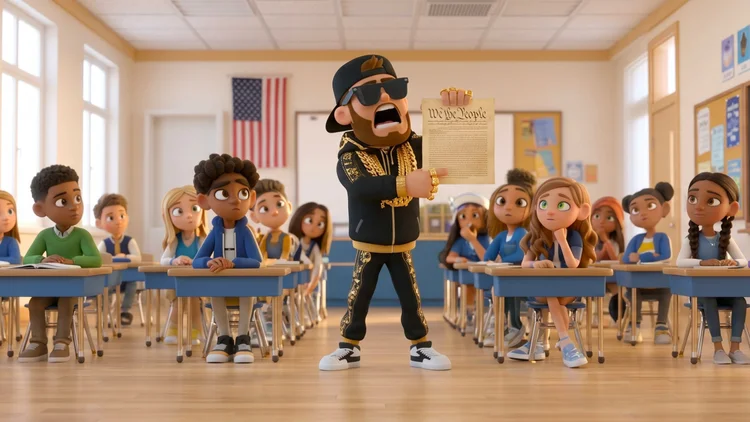
Defend your rights
ConvincingContext: Your classmates think the Constitution is boring.
Prompt: Make them change their minds!
Tips
- What right would you miss if it vanished?
- Connect an amendment to something you care about.
- Without it, your phone could be searched anytime.
- "Boring? Let me tell you why you're wrong."
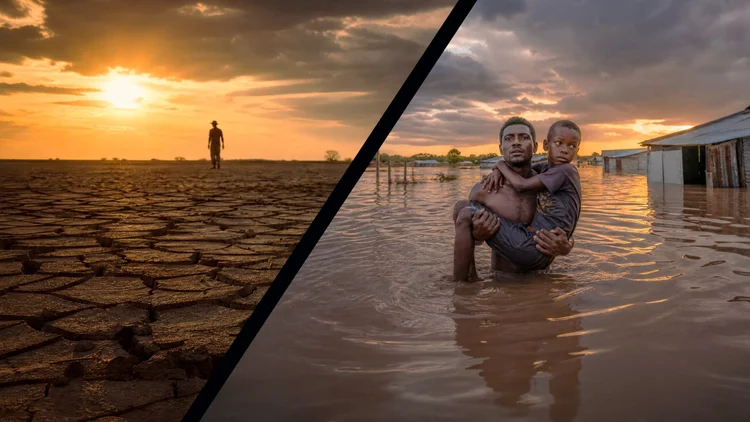
Weigh up nature
LogicalContext: Drought vs flood — give your strongest argument.
Prompt: Which would be harder to live through? Why?
Tips
- What would be hardest about daily life during each one?
- Which lasts longer?
- Which makes clean water harder to find?
- "___ would be harder to live through because..."
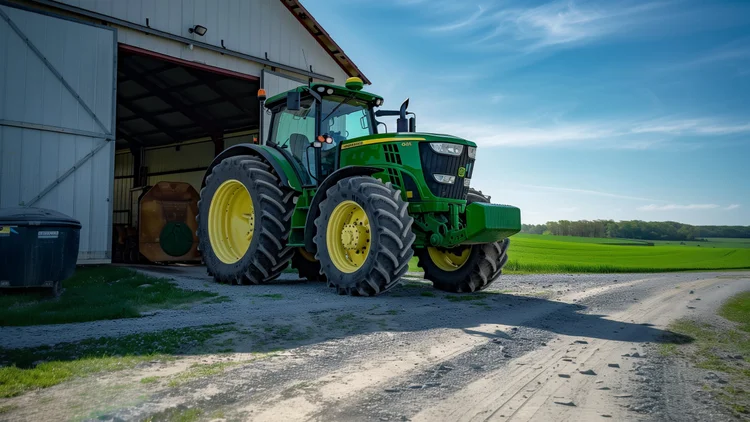
Apply for a job
ConvincingContext: Why should Sunnyvale Farm hire you?
Prompt: Convince us why you're the right person to work here.
Tips
- Do you enjoy being outdoors?
- Do you like using your body for practical tasks?
- Do you thrive on taking responsibility?
- Do you love big vehicles that make a lot of noise and smell?
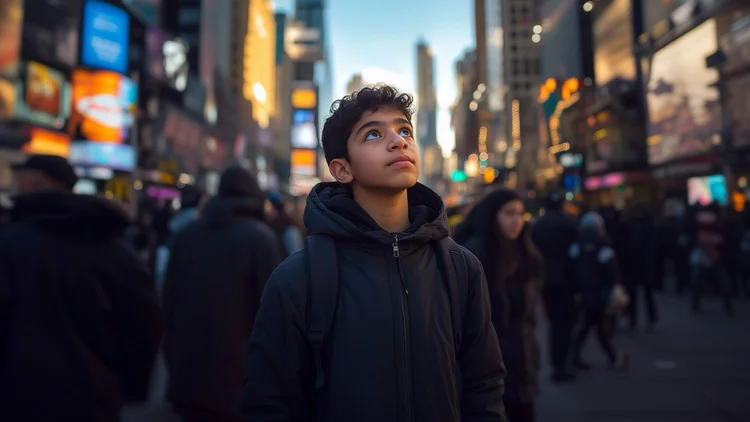
Start over somewhere new
TouchingContext: Imagine you just moved to the U.S.
Prompt: Write a journal entry about your first day in a new country.
Tips
- Are you nervous, excited, or both?
- What do you notice about the people, places, or food?
- Is anything hard, like the language?
- What do you do first: shop, explore, or settle in?

Question the story
CredibleContext: Two sides. Two stories. One event.
Prompt: Why is it often hard to know the truth in a war?
Tips
- Who was actually there to see it, and who was not?
- What does each side gain from you believing them?
- Would you check it as carefully if you agreed with it?
- "Before I believe anything, I ..."
Ready to share?
Open your set in My sets and use the sharing feature to copy its link. Paste it below.
Only submit text and images you have the right to share. Unsure about an image? Check with us before submitting.
Read the submission terms
Content Submission Guidelines and Agreement
By submitting content to WeWillWrite, you confirm and agree that:
- It is your original work. You created this content yourself, and it does not infringe on any third-party copyrights, trademarks, or IP rights.
- You grant us a license. You give WeWillWrite a perpetual, royalty-free, worldwide, non-exclusive license to use, edit, distribute, and display this content on our platform and in related materials.
- We can moderate. We reserve the right to review, edit, or remove your content at any time, for any reason.
- You are responsible. You are solely responsible for the content you submit and any consequences of sharing it.
- We credit you. If your set is featured, we show your name alongside it.