
Closing the writing gap
By Steve El-Sharawy
You already know what writing does for a student's future. It's the skill their other skills travel through: the essay, the application, the argument they'll one day need to make on their own behalf.
Here's the uncomfortable part: too many students barely get to practice it, and the literacy gap in society is widening. In the most recent national writing assessment - which, remarkably, was conducted in 2011 - 73% of U.S. eighth- and twelfth-graders performed below the NAEP Proficient level.
In a recent study, 105 U.S. middle and high school teachers logged what happened in one representative class day by day across most of a school year. Their students spent an average of just 16 minutes a day planning, drafting, and revising text. The teachers themselves averaged just 3.48 minutes a day teaching writing. The reason is arithmetic, not apathy: a writing task takes two minutes to set and a weekend to respond to, creating an impossible feedback load for one adult. And yes, students struggle to write. But nobody gets better at something they rarely do, and that's the part of the gap a classroom can actually close. Not ability. Practice.
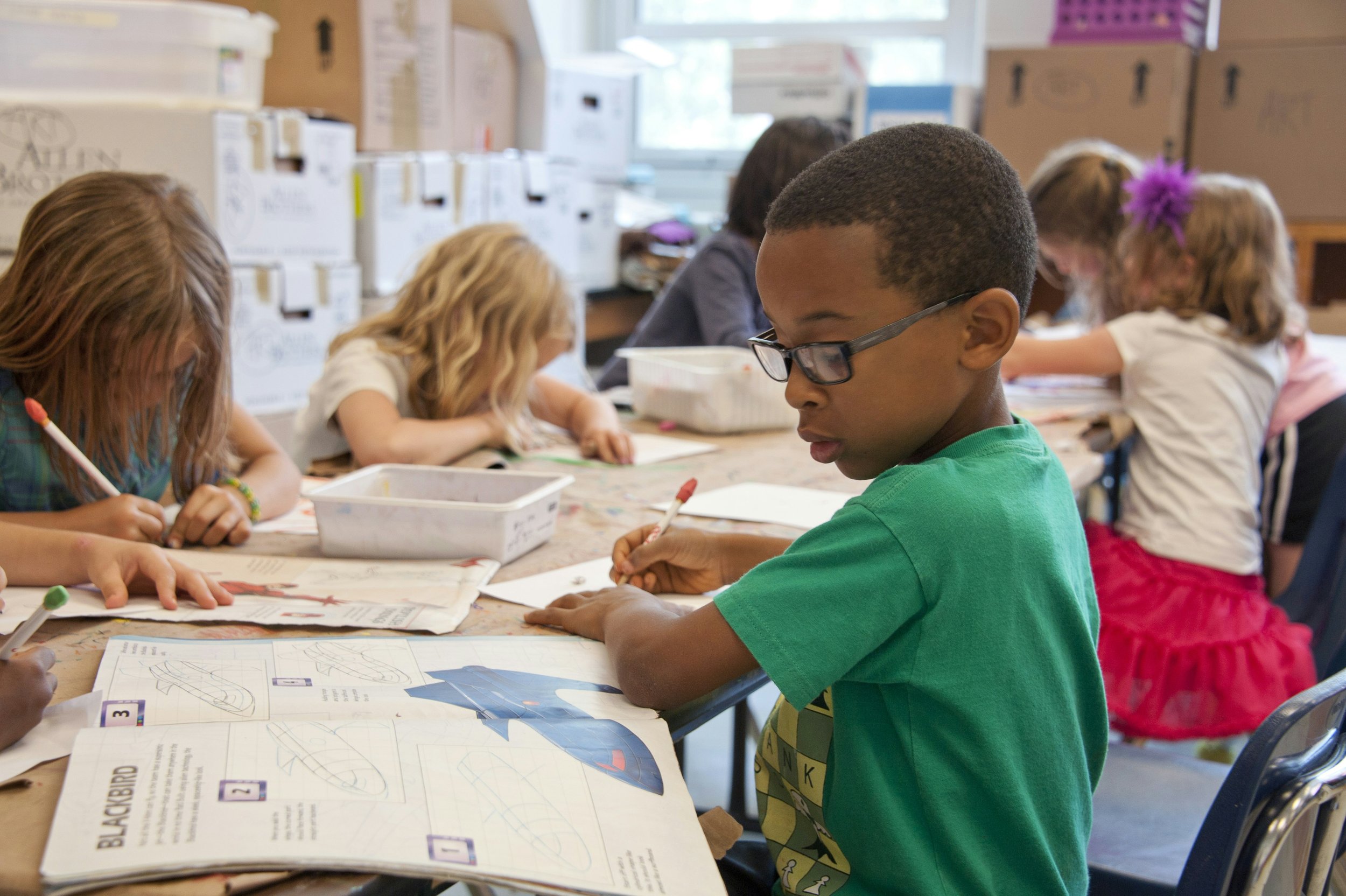
What gets students writing
The question, then, is what fills a classroom with writing. The answer isn’t more grammar drills. Recent evidence points to repeated opportunities to write, supported by strategies, feedback and help from peers.
A 2025 best-evidence meta-analysis applied stricter quality criteria to research on writing instruction. Across 148 comparisons involving 22,838 students in grades 6–12, peer assistance improved writing, with an effect size of 0.59. Students worked with peers to plan, edit and revise text. The evidence doesn't say grammar has no place. It says that writing improves when students do the work of writing—with a process, feedback and other writers beside them—rather than treating correctness as the whole curriculum.
That finding changes what a response to writing can be. When students write beside each other, every draft gets read, discussed and answered by the room. Feedback stops being a scarce resource one adult produces on weekends and becomes something the class generates while it works.
There's a second condition: students have to be willing, and a first draft is the most public imperfection in the room. Carol Dweck's research on mindset shows what tips it. Praise a student for being clever and they protect the label by avoiding anything challenging. Notice their effort and progress and they try the hard thing. If the only response a draft ever gets is a grade, the safe move is to write less: four perfected sentences, nothing to criticize. When effort gets noticed, the safe move flips, and the drafts get longer and braver.
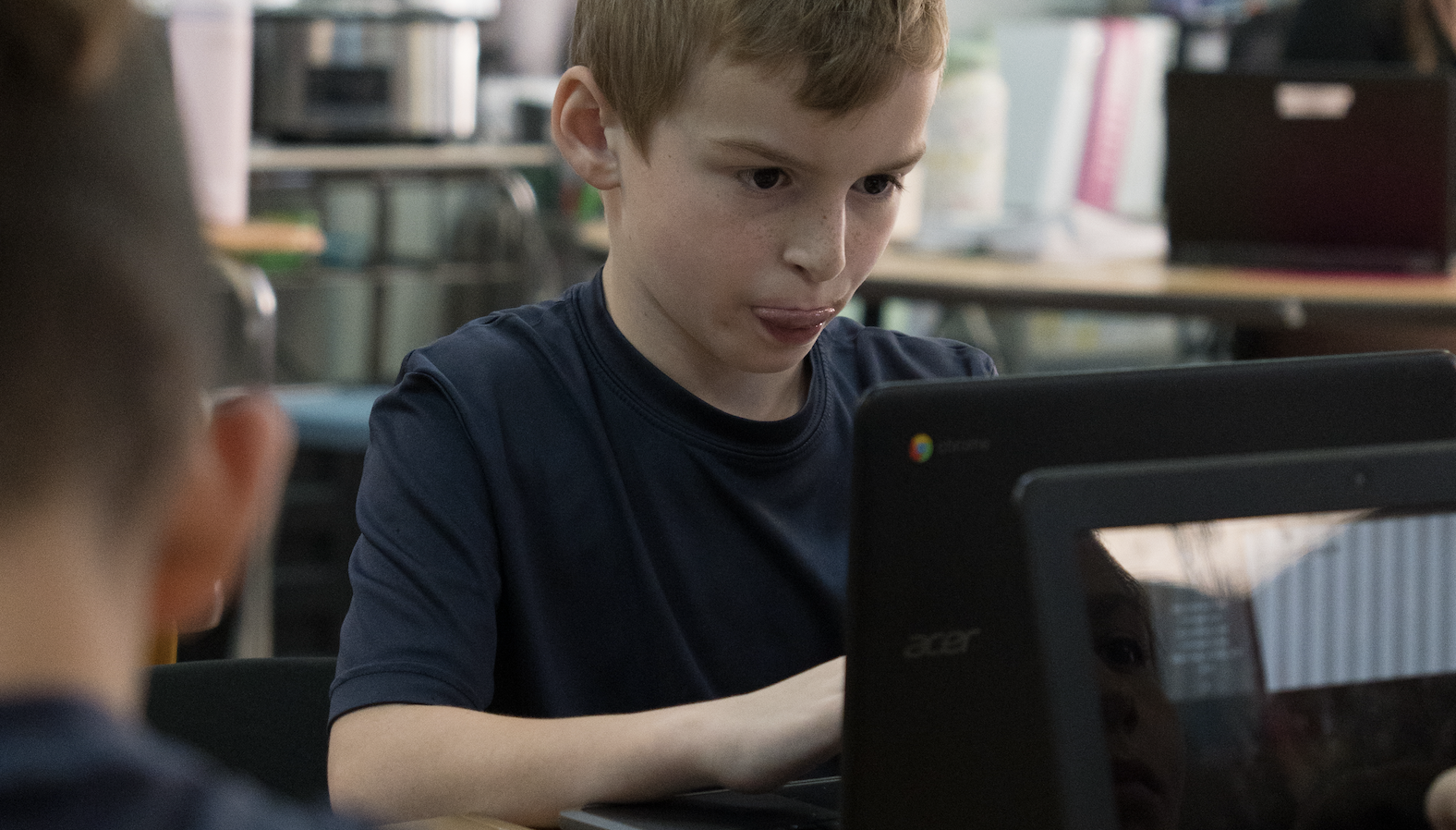
What the room looks like
Frequent short bursts of writing instead of a rare big essay. Students writing together and reading each other's work. Stakes low enough that the ones who freeze start moving. Effort noticed, not only results graded.
In a room run like that, students write more in a month than one teacher could mark in a term, and that's precisely the point: the volume is the practice. Writing stops being the subject everyone braces for and becomes the part of the week with energy and creativity in it, for students who start looking forward to it and for the teacher who gets to enjoy teaching it again.
Writing is more fun together. That's not a slogan on top of the evidence. It's what the evidence says.
